
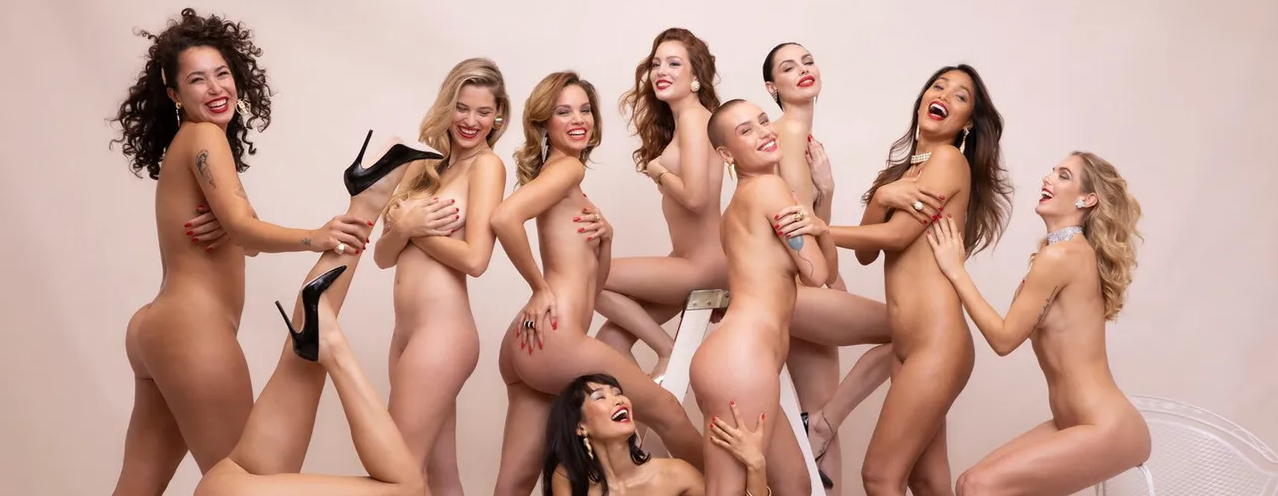
Inside the casting calls, chemistry tests, and careful negotiations that turned ordinary women into icons.
Playboy’s Playmates
Nobody walks into the Playboy Mansion and walks out a Playmate. That’s the first thing anyone who’s actually been through the process will tell you. What looked effortless on the glossy pages of the magazine — the perfect lighting, the relaxed smile, the seemingly spontaneous poses — was the end product of a selection process that could stretch across months and involved more moving parts than most people would ever guess.
For decades, Playboy operated one of the most disciplined talent pipelines in American publishing. The centerfold wasn’t just a photograph. It was a brand statement, a cultural artifact, and in many cases, a career-making moment for the women who appeared in it. Getting there required more than good looks.
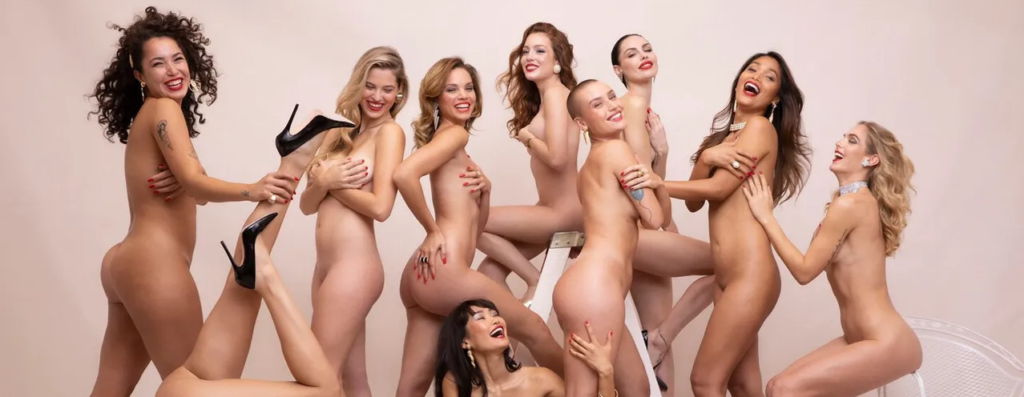
It Started Long Before the Camera
The pipeline for potential Playboy Playmates ran through a surprisingly wide network. Photographers — both staff and freelance contributors — were constantly feeding submissions to the Chicago and Los Angeles offices. Model agencies with established relationships would put forward clients they thought had the right combination of look and personality. And then there were the open calls, held periodically in cities across the country, where women showed up with comp cards and hope.
Former Playmate coordinators have described those open calls as equal parts audition and endurance test. Hundreds of women might show up for a single session. The initial screening was fast — sometimes under a minute per person — and was focused less on physical perfection than on something harder to define. Playboy’s editors consistently used the word approachability. They weren’t looking for runway models. They were looking for the woman next door, provided she was also comfortable enough in her own skin to eventually appear undressed in front of a photographer and roughly five million readers.
Women who made it past the first round would be invited back for what amounted to a proper interview. This was where things got more interesting.
The Personality Was Non-Negotiable
Here’s what surprises most people when they learn about the process: Playboy was genuinely obsessed with who these women were off camera. The magazine invested significant editorial real estate in the Playmate Data Sheet — that half-page of personal details printed alongside every centerfold — and the editors took it seriously. Favorite books, turn-ons, career ambitions, opinions on everything from politics to pizza toppings. It sounds trivial, but it was actually central to the Playboy brand promise. The Playmate wasn’t supposed to be a fantasy object. She was supposed to be a real person you could imagine having a conversation with.
Candidates who came across as guarded or performative in interviews rarely progressed. Former editorial staff have recalled that the women who resonated most were the ones who seemed genuinely at ease — who could talk candidly about their lives, their ambitions, and yes, their attitudes toward nudity and sexuality, without either giggling nervously or overcorrecting into false confidence.
Gracia Dorel, who worked as a Playmate coordinator in the 1990s, once described the ideal candidate as someone who “didn’t need the validation.” The women who seemed hungry for approval in the wrong way — who wanted to be a Playmate because they needed to prove something — were usually passed over in favor of women who felt like they were doing Playboy a favor by showing up.
The Test Shoot
If the interviews went well, the next step was a test shoot. This was not a formality. Plenty of women who looked spectacular in their submission photos didn’t translate to the specific aesthetic Playboy’s photographers were working toward. The magazine had a house style — warm, natural light, relatively little heavy retouching by the standards of competing publications — and not every face or body worked within it the way the editors hoped.
Test shoots were typically handled by one of Playboy’s trusted contributing photographers, conducted at a studio or private location, and kept deliberately low-pressure. The point wasn’t to produce finished images. It was to see how a woman moved, how she responded to direction, and crucially, how she handled the psychological reality of the situation once a camera was actually pointed at her.
Some women who had been entirely confident through the interview process discovered in the test shoot that they weren’t as comfortable as they’d thought. The coordinators and photographers who ran these sessions were trained to make the experience feel safe and unhurried, but there was no way to fully simulate the moment until you were in it. Women who pushed through the initial discomfort and found their rhythm were the ones who progressed. Women who couldn’t get there — for whatever reason — were respectfully released from the process.
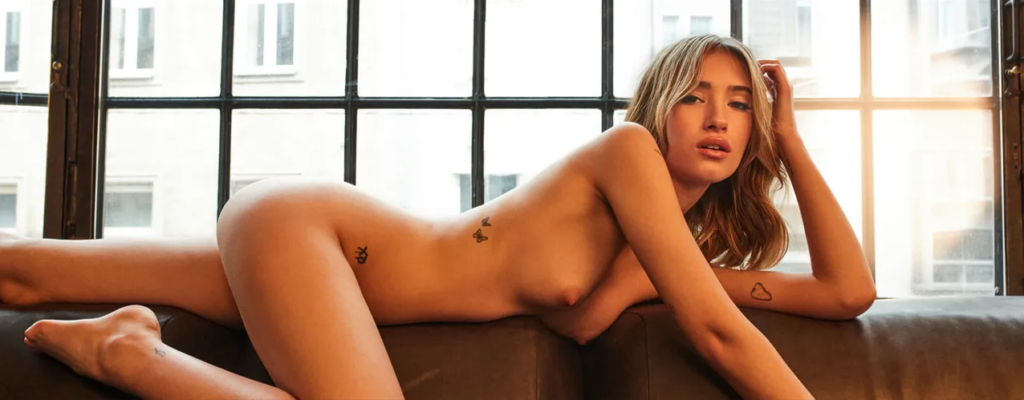
Negotiations, Contracts, and Control
Once a woman was selected as a potential Playboy Playmate, the business side kicked in. Contracts were handled through Playboy’s legal team and covered everything from the shoot itself to the usage rights for the images, appearance obligations, and the terms of the Playmate of the Month promotional cycle, which included interviews, public appearances, and media commitments.
Former Playmates have been candid about the fact that the financial compensation, while meaningful, was never the primary draw for most of them. The centerfold fee — which varied across different eras but was rarely life-changing money on its own — was almost beside the point. What Playboy was selling, and what most Playmates were buying into, was the platform. The centerfold appearance opened doors. Modeling contracts, television opportunities, brand partnerships, acting roles — the Playmate credit carried genuine weight in certain industries for several decades.
That said, Playboy was careful to manage expectations. The coordinators who shepherded women through the process were explicit about what the magazine could and couldn’t promise. Not every Playmate became a household name. The ones who did were usually the ones who had arrived with something beyond ambition — a specific skill, a marketable personality, a clear sense of where they wanted to go next.
What It Actually Took
Strip away the mythology and the Playmate selection process was, at its core, a very careful piece of casting. Playboy was producing a character — the American girl, updated annually — and finding the right woman to inhabit that character required patience, instinct, and a genuine investment in who she was as a person.
The women who made it through weren’t necessarily the most beautiful women who applied. They were the ones who were ready — psychologically, professionally, personally — for what came next. That combination turned out to be rarer than anyone expected, which is probably why the ones who nailed it are still remembered decades later.



You must be logged in to post a comment.