
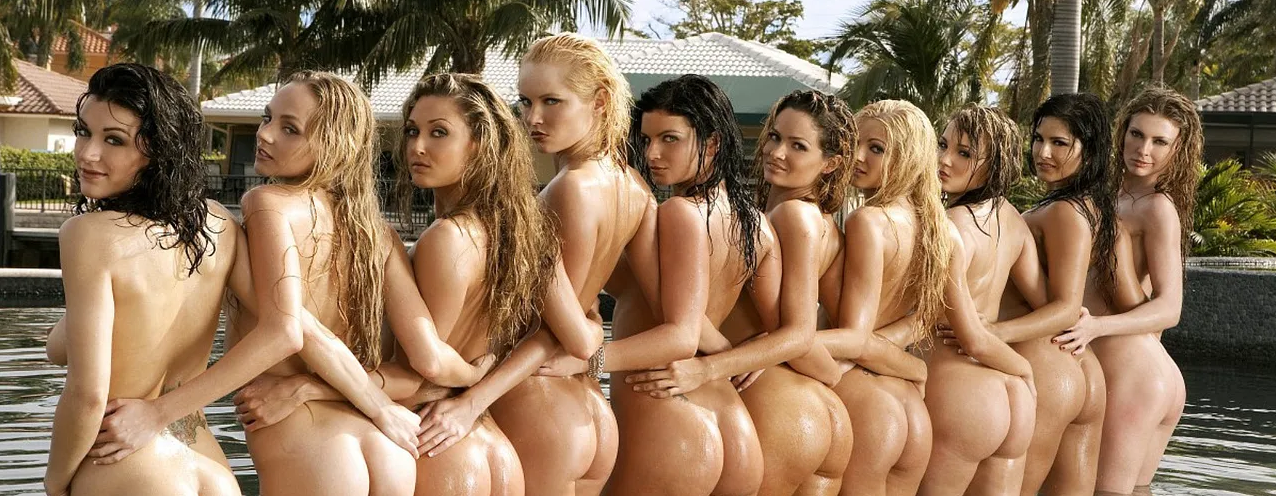
From the outside, the Penthouse Pet might look like a fixed idea—an archetype frozen in time. In reality, she has never stood still. Since the early days of Penthouse, the Pet has been quietly reshaped by shifting tastes, changing technology, and the evolving confidence of the women who stepped in front of the lens.
1970s
The 1970s set the tone. Under the direction of Bob Guccione, Penthouse carved out a space that felt sharper, more European, and less constrained than its competitors. The women of that era carried a certain mystery. Their presence wasn’t about overt performance; it was about suggestion, atmosphere, and an almost cinematic intimacy. Photography leaned into shadow and texture. The Pet was less a personality on display and more a figure to be discovered. There was distance, and that distance was intentional.

1980s
By the 1980s, the distance began to close. The magazine grew bolder, and so did its models. The Pet of this decade felt more accessible, less like a distant muse and more like a woman aware of the camera and willing to meet it head-on. The styling became glossier, the lighting brighter, the compositions more direct. Confidence replaced mystery as the dominant currency. What had once been implied was now stated with clarity. Penthouse wasn’t abandoning its edge—it was sharpening it.
1990s
The 1990s brought a different kind of shift. Cultural attitudes around sexuality were loosening, and Penthouse responded by leaning further into realism. The Pet was no longer framed as an untouchable ideal. She became more grounded, more relatable, without losing the allure that defined the brand. There was a noticeable change in body language—less posed, more natural. The camera lingered longer, as if trying to capture something unguarded rather than constructed. This was also the decade where personality began to surface more clearly. Readers weren’t just looking; they were starting to connect.
2000s
Then came the 2000s, and with them, the digital disruption that reshaped everything. The internet didn’t just change distribution—it changed perception. Suddenly, beauty was everywhere, and the idea of exclusivity had to be redefined. Penthouse Pets adapted by becoming more than images on a page. They were identities, early adopters of a world where presence extended beyond print. The Pet was no longer confined to a single moment captured in a magazine issue. She existed across platforms, evolving in real time.
What stands out about this period is the growing sense of agency. The women featured weren’t just subjects; they were participants in their own narratives. They understood the audience, the medium, and the opportunity. The Penthouse Pet began to feel less like a title bestowed and more like a collaboration.
2010s
In the 2010s and into today, that collaboration has become the defining feature. The modern Penthouse Pet operates in a landscape shaped by social media, subscription platforms, and direct audience engagement. She controls her image in a way that would have been unimaginable decades earlier. There is less mediation, less filtering between model and viewer. The camera is still there, but it no longer dictates the entire story.
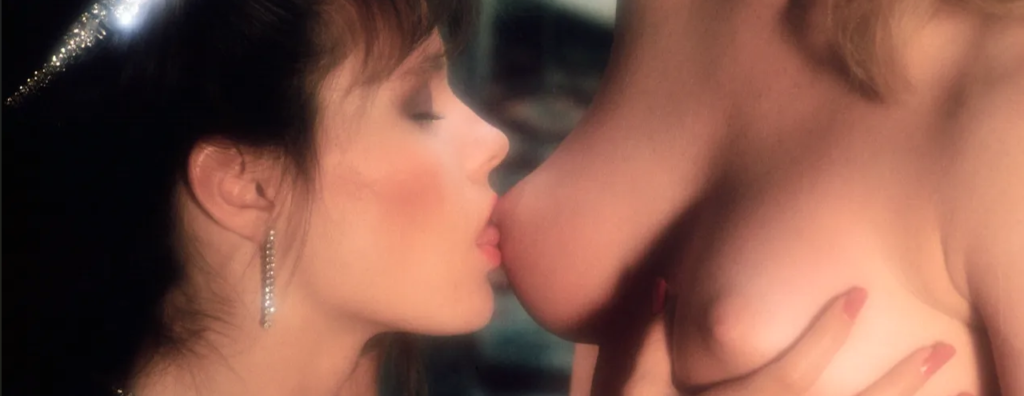
Aesthetically, the changes are just as striking. The polished, almost theatrical look of earlier decades has given way to a broader spectrum of styles. Some shoots retain the classic Penthouse elegance, while others embrace a more spontaneous, contemporary feel. The boundaries have loosened, allowing for a wider interpretation of what a Penthouse Pet can be.
Today
What hasn’t changed is the underlying appeal. Across every decade, the Pet has represented a certain kind of presence—self-assured, aware, and impossible to ignore. The details shift. The styling evolves. The platforms multiply. But that core remains intact.
Looking back, the transformation isn’t a straight line. It’s a series of adjustments, each one reflecting the world around it. The Penthouse Pet of the 1970s wouldn’t exist comfortably in today’s landscape, just as today’s Pet would have felt out of place in the shadows of Guccione’s original vision. And that’s exactly the point.
Penthouse never built a static icon. It built something far more durable: a format that could absorb change without losing its identity. The Pet didn’t just survive the decades. She adapted to them—and in doing so, kept the idea of Penthouse relevant long after the rules of the game had been rewritten.


You must be logged in to post a comment.